DBT
Dialectical Behavior Therapy (DBT)
Practical skills for handling intense emotions, distress and relationships: mindfulness, emotion regulation, distress tolerance and interpersonal effectiveness.
My approach
Every plan starts with what you want to change. The methods are chosen to fit your personality, your resources and the time you have.
In his words
All my therapeutic expertise is centered on the development of the client's goals and objectives. I offer a variety of treatment strategies to accommodate the needs of the individual based on personality, resources and time constraints.
My primary treatment orientation is Cognitive Behavioral Therapy or CBT. However, I am certified in many treatment modalities. My certifications are not only as a practitioner in these methodologies but also a Master Practitioner, Trainer and Clinical Supervisor.
Two aspects to treatment that are unique to my practice are my ministerial background and my expertise in Neuro-Linguistic Programming and Clinical Hypnosis.
Primary orientation
His primary orientation. CBT looks at how thoughts, feelings and actions affect each other. You learn to notice unhelpful patterns, test them, and practice new responses between sessions.
Other methods
Dr. Decker is certified in many treatment methods, as a practitioner and also as a Master Practitioner, Trainer and Clinical Supervisor. Along with CBT, these are other methods he lists.
DBT
Practical skills for handling intense emotions, distress and relationships: mindfulness, emotion regulation, distress tolerance and interpersonal effectiveness.
IFS
Works with the different “parts” of you, such as the critic, the protector and the hurt part, so they can work together instead of against each other.
Family Systems
Looks at a problem through the relationships around it. Useful for couples and families, and for individuals shaped by family patterns.
MBCT
Combines CBT with mindfulness practice. You learn to step back from spiraling thoughts instead of getting pulled along by them.
SFBT
A short, goal-directed approach. It focuses on what you want to be different and on the strengths and resources you already have.
Dr. Decker has a ministerial background. If you would like your Christian faith to be part of counseling, you can ask for that. If you’d rather it wasn’t, just say so.
Two specialties he names as unique to his practice, offered alongside talk therapy when they fit your goals.
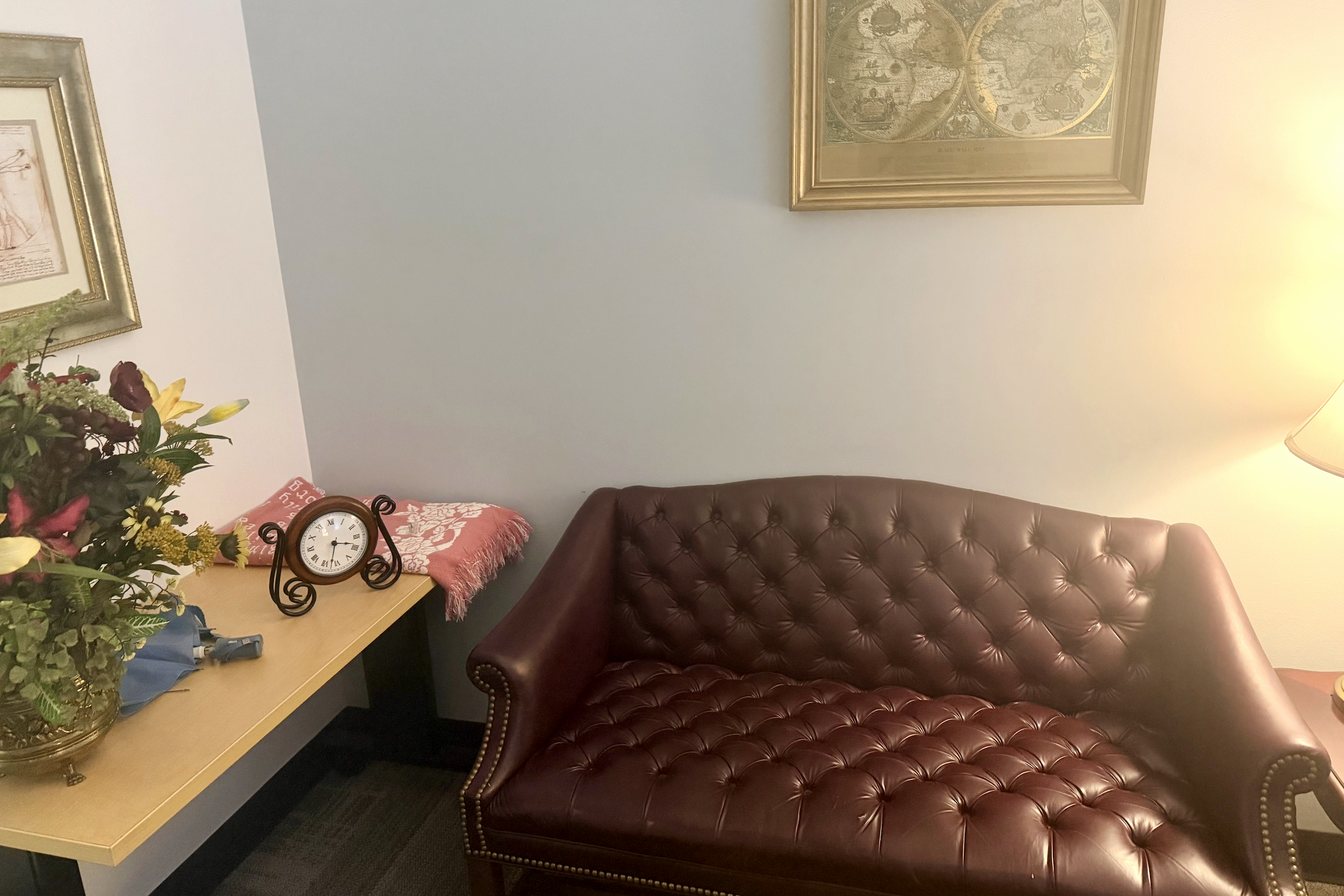
Sessions are held in a quiet, private room in the Manassas office, or online from home if you prefer.
A free 15-minute phone call. Share a little about what’s going on, ask your questions, and decide whether it feels like a good fit.
Meet in person at the Manassas office on Balls Ford Road, or online from home.
Treatment is built around your goals and fitted to your personality, resources and schedule.
Curious which approach would suit you? Ask in a free consultation →
A free 15-minute phone call to talk through what’s going on and see whether working together feels right. No pressure and no commitment.